Academic curricula provide essential foundational computer science concepts, but translating those concepts into production-grade applications requires hands-on collaborative experience. Student-led coding clubs offer an ideal sandbox for this transition, yet without structure, student projects often suffer from scope creep or fragmented contributions. As the Club Leader of the CADT Coding Club, the objective was to implement professional software engineering practices to help members deliver functional projects while accelerating their technical growth
Structuring Student Projects with Agile Scrum
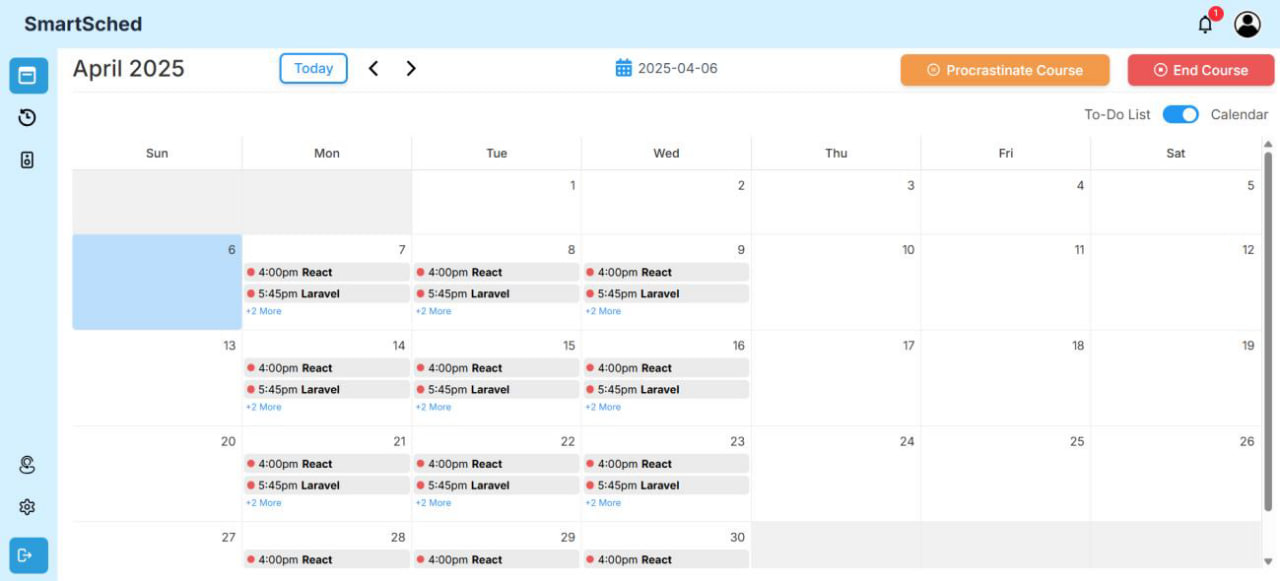
To manage school-related software projects effectively, the club adopted Agile Scrum methodologies. Members were organized into cross-functional teams, working in iterative sprint cycles to define, build, and test modular features. By introducing structured backlog grooming and task estimation, student developers learned to break down complex features into manageable sub-tasks. This disciplined approach not only kept club projects on track but also provided members with critical exposure to standard industry project management workflows.
Fostering Collaboration and Peer Mentorship
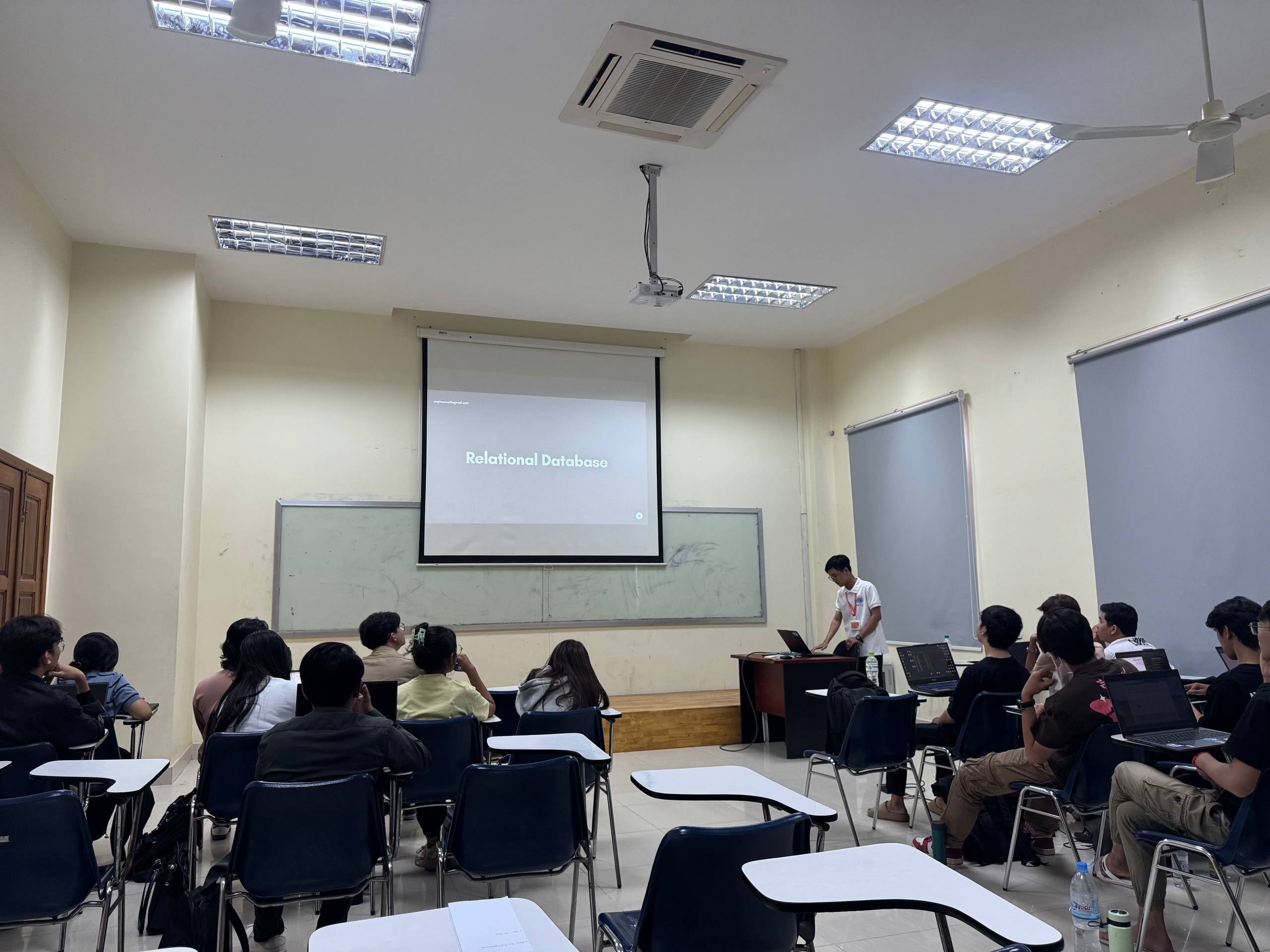
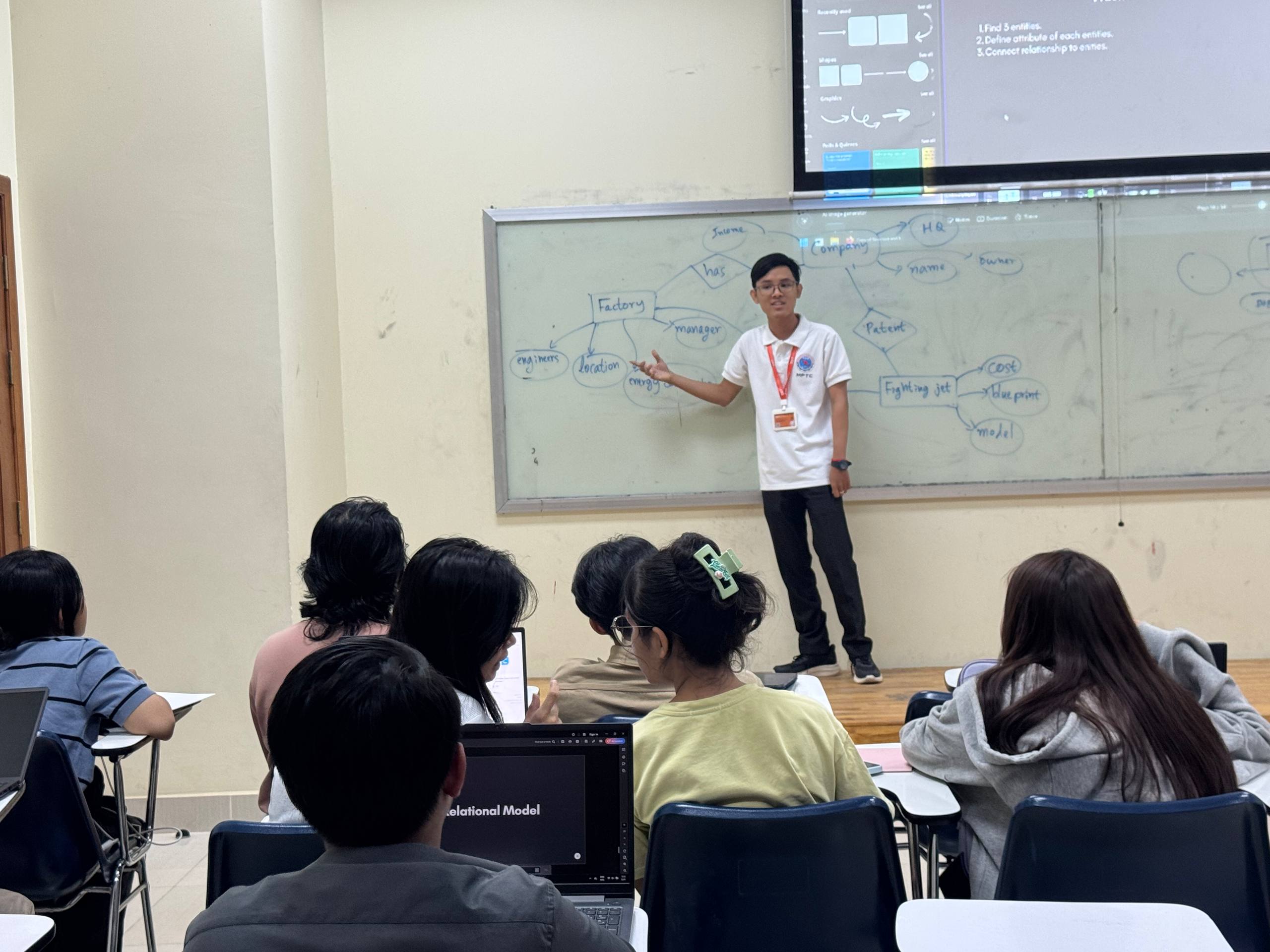
Beyond project delivery, a core focus of the leadership role was establishing mentorship pathways for junior club members. Senior members led practical workshops on Git version control, API integration, and modern frontend frameworks, ensuring that everyone had a solid starting point. By implementing peer code reviews on GitHub, members learned to write cleaner, more maintainable code while practicing constructive technical feedback. This collaborative peer-learning environment built confidence and strengthened the sense of community among CADT's aspiring software engineers.