
In competitive robotics, success is rarely decided by the most complex machine, but rather by the most reliable one. Designing a robot to complete specific arena tasks within rigid time constraints presents a multifaceted engineering challenge. The system must navigate physical obstacles, manipulate target objects, and maintain structural integrity under continuous load. To achieve this level of performance, teams must balance robust mechanical packaging with responsive, low-latency control software.
Collaborative Design and Closed-Loop Control
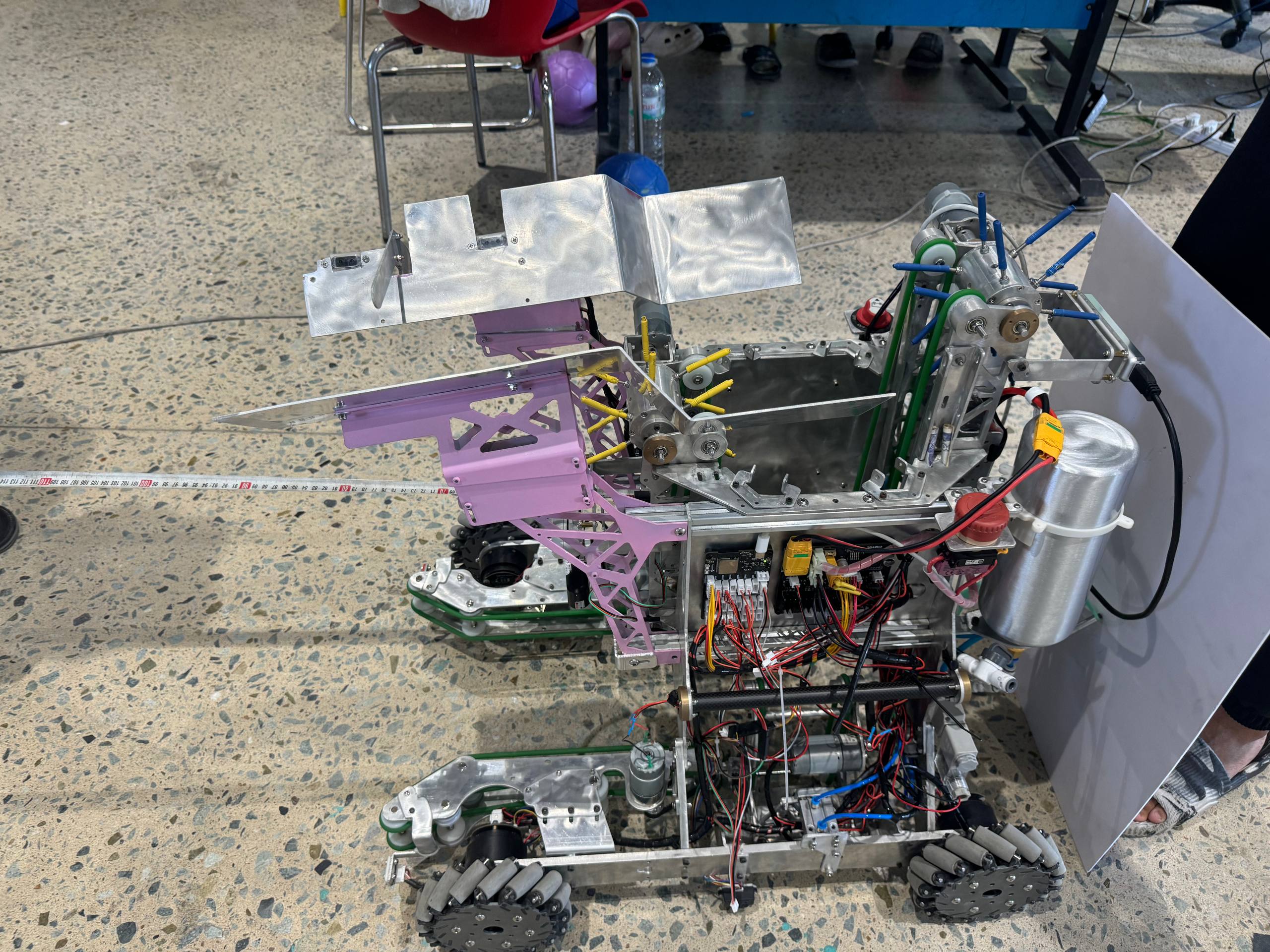
The development process began with collaborative team sessions to analyze the competition guidelines and draft strategic scoring pathways. Once the primary objectives were established, the team divided tasks between physical chassis fabrication and control loop programming. The robotic platform integrates sensor arrays with closed-loop PID control algorithms, ensuring that motor velocities and actuator movements remain precise despite physical resistance or battery voltage drop. This close integration of software feedback and mechanical leverage is critical for maintaining consistency on the competition floor.
Debugging Under Pressure and Performance Tuning
Theoretical designs are rarely perfect, and rigorous physical testing is where structural and logical weaknesses are identified. During the testing phase, the system encountered several common hurdles, including sensor interference, wheel slippage, and actuator strain. By systematically capturing runtime telemetry, the team recalibrated sensor threshold values and reinforced critical structural joints. This iterative cycle of stress-testing and empirical tuning significantly improved the platform's reliability, laying down a robust foundation for competitive matches.
